Black battery icon with a partially filled charge indicator

Understand the Septic Inspection Process

August 27, 2018

A septic tank acts as a settling chamber where waste from your house separates from the wastewater before this water flows into the drain field. With time, the solid waste left behind in the septic tank accumulates and can inhibit the settlement and separation process.

Periodic inspection can help to identify the level of sludge, the overall health of the septic system, and if pumping is necessary. Here is a quick guide to help you understand the septic inspection process.

Locating the Tank

Your septic tank inspector will locate your septic tank if you do not know where in your home the tank is.

If you have the original septic system permit, which usually comes with a map of the installed septic tank system, give this to the inspector to help locate the septic system.

The septic technician may use other equipment such as a ground probe rod or a retrievable radio transmitter flushed down the toilet to identify the location of the septic tank.

Removing the Lid

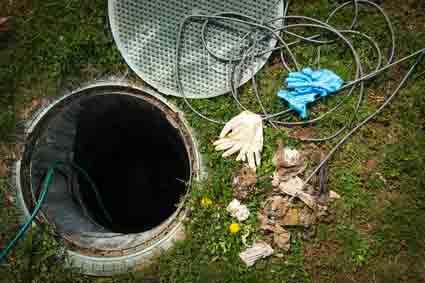
Once the inspector identifies the tank, the next step entails uncovering the tank to begin the internal inspection process. You might be able to save on time and labor costs if you can locate the septic tank and remove the cover yourself.

Ask your septic inspection company whether they require you to locate and uncover the septic tank in advance.

Determining the Level of Sludge

The inspector will use a sludge testing instrument, which typically is a long calibrated rod, to test the level of sludge in the tank.

At the bottom of the transparent, hollow rod is a plug that lets in wastewater and prevents the sludge from exiting the rod. The inspector dips the rod to the bottom of the tank and retrieves the rod back to the ground surface.

The wastewater and sludge inside the rod provides a snapshot of the conditions inside the septic tank and helps to determine if the tank needs pumping.

Testing for Leakages

The inspector will check that the septic tank is watertight and does not have any leakage points. A leaking septic tank can cause contamination of surface and groundwater and reduce the separation time needed to discharge clear wastewater into the drain field.

The two methods for testing water tightness are vacuum testing and hydrostatic testing. Both methods entail emptying the septic tank and pumping negative pressure or water respectively into the tank to detect leakages.

Inspecting the Baffles

Baffles act as regulatory valves at the inlet and outlet of the septic tank.

The inlet baffle regulates the flow rate of waste from the house to the tank to allow the solids to settle completely and to separate from the wastewater. The outlet baffle prevents solid waste from entering the drain field.

The inspector will check that these regulating valves are working properly and are firmly attached to the tank's inlet and outlet pipes. Over time, the baffles may succumb to wear and tear, and corrosion. Regular inspection will help to determine when to replace these components.

Checking Filters and Water Flow

The effluent filter located on the outlet pipe of the tank also prevents solids from flowing into the drain field and causing contamination of groundwater. A septic tank inspection checks if this filter is working properly and whether the filter needs replacing.

Lastly, the inspector will assess the pattern of water flow into and out of the tank. Water draining into the tank may be indicative of a leak, and water back-flowing into the tank could be a sign of problems with the drain field.

Do not wait until you want to sell your home to have a septic tank inspection. Ideally, a professional should inspect your system every few years to mitigate septic tank emergencies.

At C.E. Taylor and Son, Inc., we know all about septic tank inspection and maintenance. Call us today to schedule an appointment.

Share this article

Recent Posts

Collapsed muddy hillside with exposed pipe and water pooling below a grassy bank
October 23, 2018
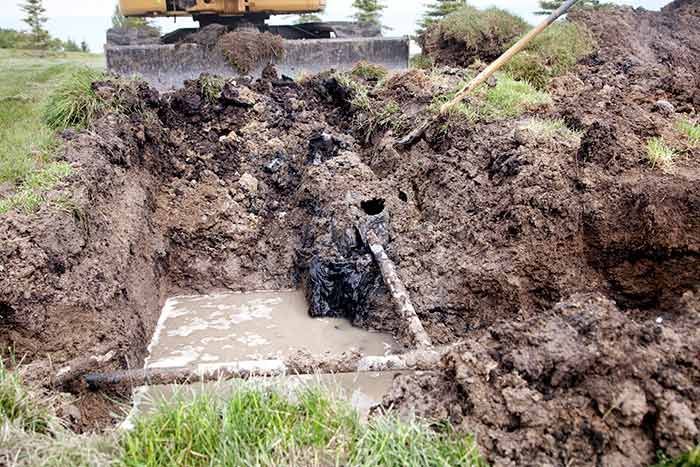
Learn the dangers of a damaged or leaking septic system and how C.E. Taylor & Son Inc provides expert septic solutions to protect your property and prevent costly repairs.
Round black manhole cover in grass
June 30, 2018
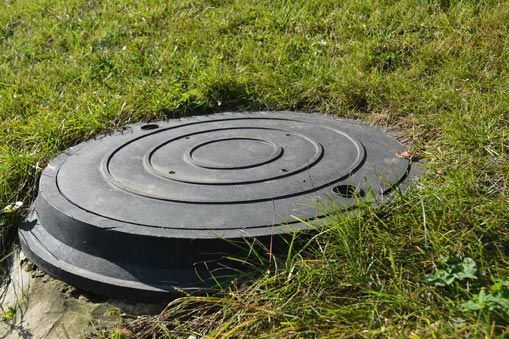
Learn how owning a septic system impacts your budget. C.E. Taylor & Son Inc. shares 3 key cost considerations to help homeowners plan for septic maintenance and expenses.

Black pipes run along a flooded dirt canal beside a rural field.
April 30, 2018
Learn the 5 key things every homeowner should know about their septic drain field, including maintenance tips, warning signs, and ways to prevent costly septic issues with C.E. Taylor & Son Inc.
Worker in gray sweatshirt kneels by an open manhole, using tools beside a rusted cover.
March 1, 2018
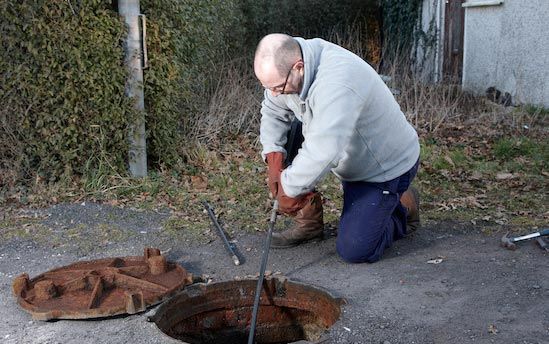
Learn how to maintain your septic tank with expert tips from C.E. Taylor & Son Inc. Keep your septic system working efficiently with proper care, maintenance, and professional service.
Open manhole with lid, gloves, and cables on grass, suggesting utility work or inspection
February 28, 2018
Conserve water and improve septic system efficiency with expert tips from C.E. Taylor & Son Inc. Learn smart water-saving practices to protect your septic tank and avoid costly issues.

Worker using a long tool to open a round manhole cover on a road and inspect the opening
January 10, 2018
Learn seven essential septic tank maintenance tips from C.E. Taylor & Son Inc. to keep your system healthy, prevent issues, and ensure reliable septic performance.

Large leafy tree in a suburban yard between brick houses and a curving sidewalk
October 30, 2017
Learn how trees can negatively impact your septic drain field from C.E. Taylor & Son Inc.

Plumber in yellow sleeves fixing a leaky pipe under a dark bathroom sink, water dripping into a bucket.
September 6, 2017
Learn kitchen and cooking habits that can harm your septic system. C.E. Taylor & Son Inc. shares tips to prevent damage and keep your septic system working efficiently.
Trench with orange dirt pile, green hose, and shovel beside a grassy lawn
May 1, 2017
Learn how to handle a septic emergency with C.E. Taylor & Son Inc. Get expert tips for septic backups, overflows, and urgent repairs to protect your home and system.

Blue vacuum tanker truck on a road, with hoses attached at the rear under a clear sky
January 4, 2017
Learn the signs your septic tank needs pumping and avoid costly issues. C.E. Taylor & Son Inc. provides expert septic services to keep your system working efficiently.