Your septic system is made up of two main components: the tank and the drain field, which is also called the leach field. Most septic system owners know that their wastewater travels into a septic tank, but most homeowners are not well-versed in the care and operation of the drain field. Here are five things every homeowner should know about their septic field.
1. The Drain Field Must Never Be Covered
Your septic drain field is designed to help all the wastewater flowing from your septic tank dissipate into the surrounding environment. Much of the water drains down through the topsoil and is eventually filtered into the groundwater. However, a good portion of the water also travels to the surface to evaporate in the air.
If you cover your drain field, even just with a tarp or piece of landscape fabric, you're suppressing its ability to evaporate water into the air. This reduces your field's ability to treat wastewater.
2. The Area Needs Uncompacted Soil
Because of the critical function of evaporation, you also need to take care not to smash the soil down. Doing so would reduce the soil’s ability to evaporate water into the surrounding air. It would also be problematic because the drain field needs aerobic bacteria, and aerobic bacteria won't thrive if all the air has been smashed out of the soil.
3. Some Plants Are Off-Limits
Planting grass or another low-maintenance groundcover over your septic drain field is recommended because the plants can help hold the soil together so the water doesn't erode it away. The plants also use some of the excess water that the drain field is working to dissipate.
However, if you want to do more complicated landscape plantings in the area, you need to be careful to avoid certain types of plants. These include:
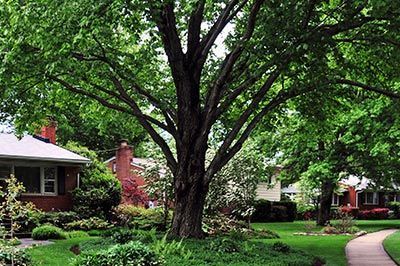
- Trees and shrubs, as well as other plants with deep, aggressive roots
- High-maintenance plants that will require lots of foot traffic to the area
- Edible plants; they could absorb contaminants (especially if there's ever a leak)
Planting any of these types of plants above your septic field could cause problems later on.
4. The Drain Field Is More Expensive to Replace Than the Tank
Septic professionals know that septic tanks don't last forever; in fact, they often need to be replaced after about
20 years. Still, you don't want to make that interval any shorter by neglecting maintenance, because the installation can cost several thousand dollars.
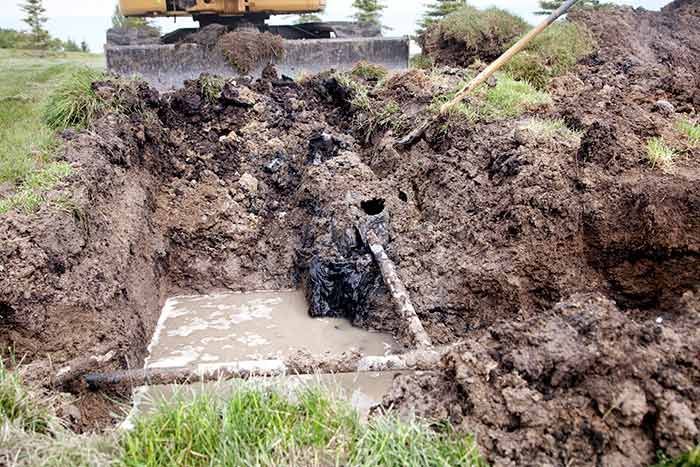
However, you may not realize that replacing your drain field can cost much more than replacing the tank. In addition, the drain field is what's likely to be damaged if you put trash down the drains or neglect to pump the solids out of your septic tank. This is because these solid waste products can clog up the drain field pipes.
5. Drain Field Damage Can Contaminate Groundwater
It's not just the price of replacement that should drive you to keep your septic leach field well-maintained. There's also the danger that if damaged, the drain field may not process water correctly anymore. This can allow contaminants to make their way into the groundwater, and you may not even realize that it's happening
If you have a private well, then you rely on this groundwater for your drinking water. So keeping your septic drain field in good health is a critical part of keeping yourself and your family in good health.
These five basics will help you understand your drain field a little better so that you don't take it for granted. Whether you need help diagnosing and repairing your field or whether you're looking for preventive maintenance to keep problems from occurring later, get in touch with
C.E. Taylor and Son Inc. today to schedule an appointment.